

In the Ola Friend project, we were not dealing with the question of “how to make the product look better,” but with a more fundamental judgment: under the premise that AI capabilities are changing rapidly, what role should this product play in users’ lives.
Based on this judgment, we kept returning to a few core questions:
How can users understand, at first glance, what this product can do and why they need it?
Therefore, in the exploration of Ola Friend, design began with a joint judgment of product role, usage scenarios, and brand context. We treated the product name as part of the identity, rather than expressing around the symbol itself.
Because for most users, AI itself is abstract. Technical capabilities cannot be directly perceived, and if the design only emphasizes “intelligent” or “advanced,” it instead increases the cost of understanding.

In terms of product appearance, we were the first design on the market to metaphor an OWS headset as a “butterfly.” Beyond the form itself and the product’s lightness, this is also a metaphor: change, lightness, companionship, and communication. It makes the product break away at first sight from “cold, impersonal tech equipment” and become more like a living being—something that can be understood and approached. This form creates a psychological expectation for users—that it is not a command-style tool, but something you can talk to.
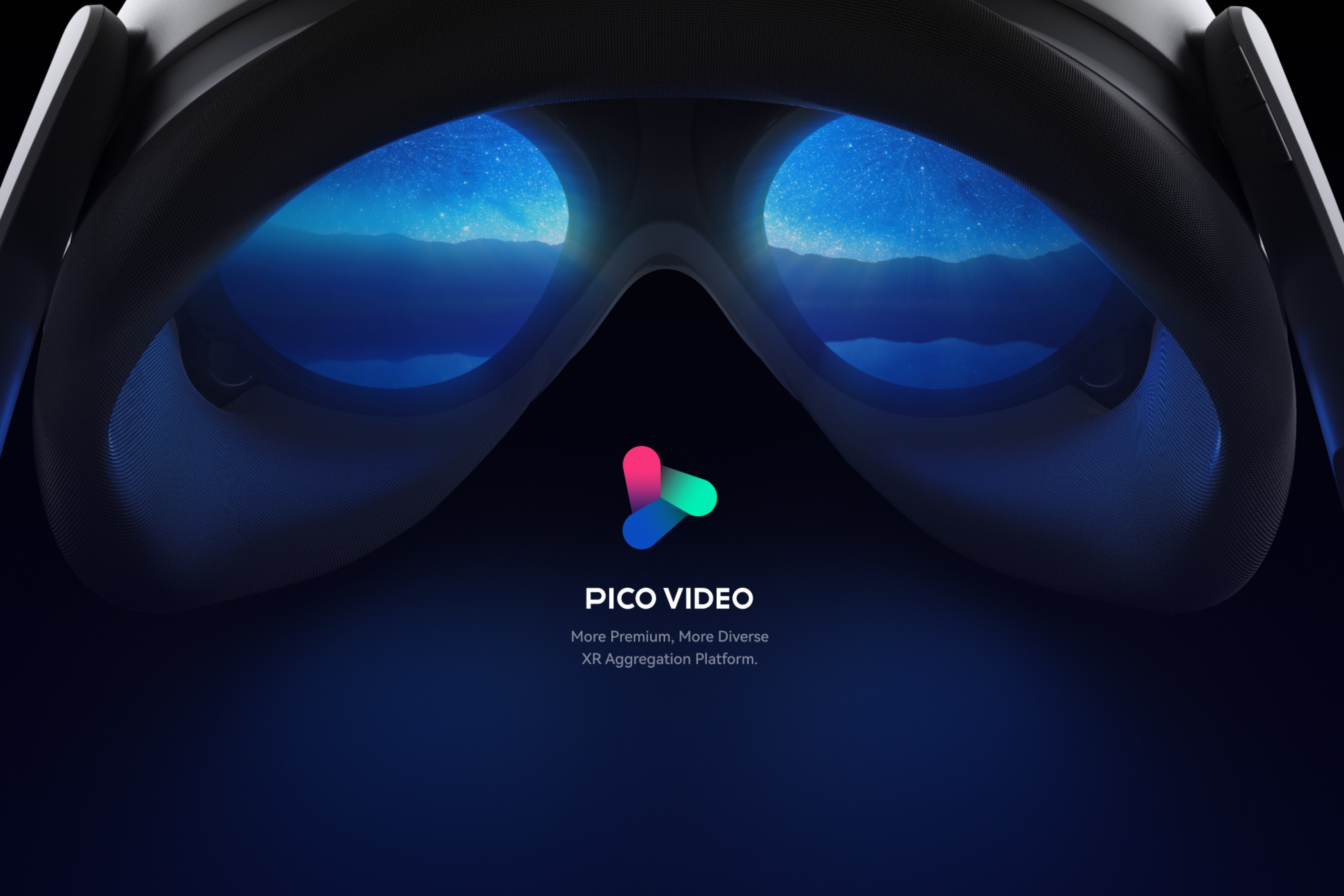
PICO Video
PICO Video is a next-generation content platform for VR, dedicated to bringing customers rich and exciting immersive audio-visual experiences



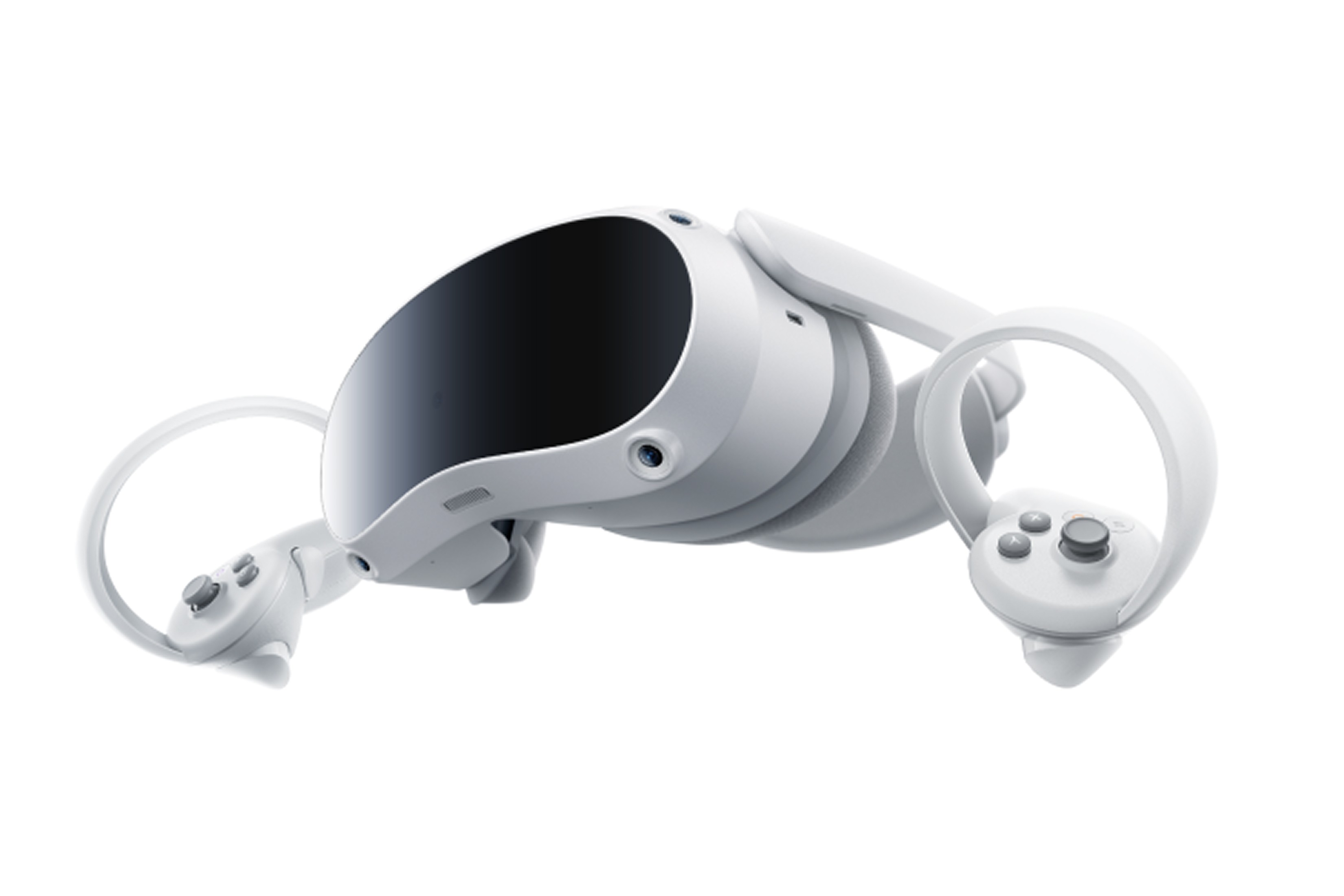
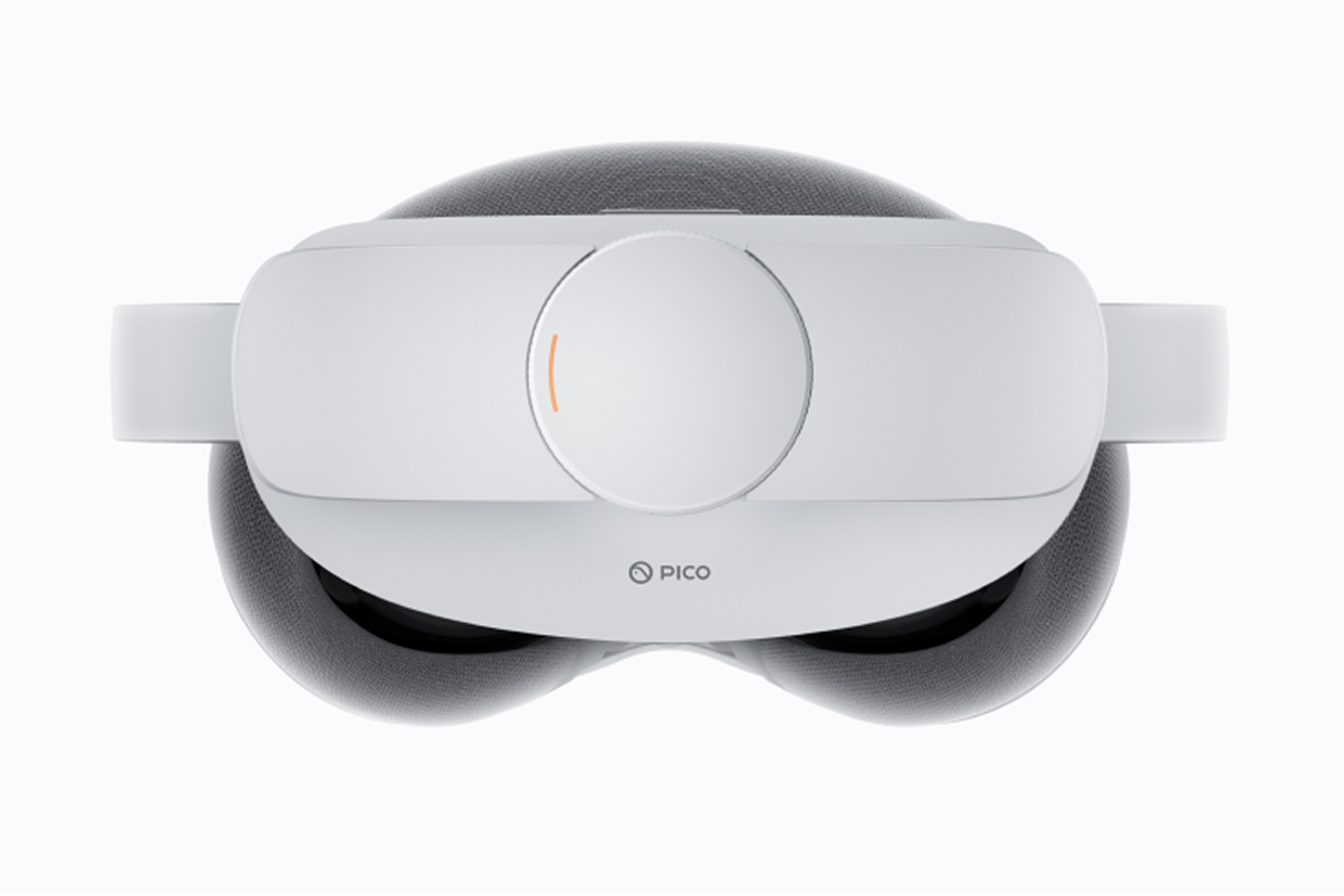
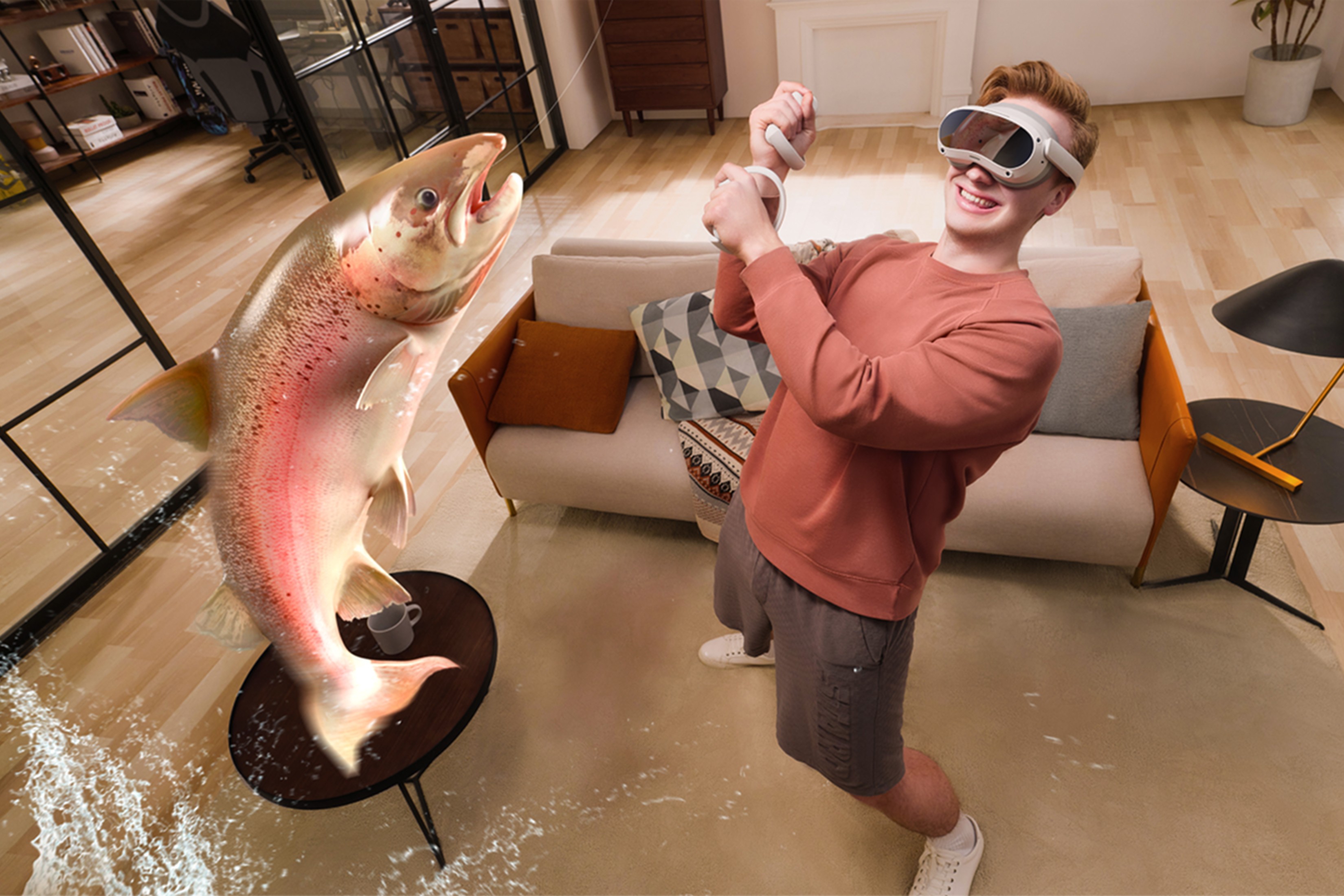
PICO Avatar is a virtual avatar system launched by PICO, designed to provide users with highly realistic and fluid digital-human interaction capabilities, mainly used on VR devices

PICO Avatar is a virtual avatar system launched by PICO, designed to provide users with highly realistic and fluid digital-human interaction capabilities, mainly used on VR devices.

In terms of product appearance, we were the first design on the market to metaphor an OWS headset as a “butterfly.” Beyond the form itself and the product’s lightness, this is also a metaphor: change, lightness, companionship, and communication. It makes the product break away at first sight from “cold, impersonal tech equipment” and become more like a living being—something that can be understood and approached. This form creates a psychological expectation for users—that it is not a command-style tool, but something you can talk to.
Under this judgment, color also became an important tool for expressing the product’s emotion and character. We chose a fluorescent yellow, not to create visual stimulation, but to give the role of “friend” a clearer emotional direction.
In terms of product appearance, we were the first design on the market to metaphor an OWS headset as a “butterfly.” Beyond the form itself and the product’s lightness, this is also a metaphor: change, lightness, companionship, and communication. It makes the product break away at first sight from “cold, impersonal tech equipment” and become more like a living being—something that can be understood and approached.

In terms of product appearance, we were the first design on the market to metaphor an OWS headset as a “butterfly.” Beyond the form itself and the product’s lightness, this is also a metaphor: change, lightness, companionship, and communication. It makes the product break away at first sight from “cold, impersonal tech equipment” and become more like a living being—something that can be understood and approached.


In our conception, a friend should have emotions, but those emotions should not be ostentatious; it should be positive, uplifting, and trustworthy. At the same time, as an AI product, it also needs to be perceived as “smart”—sensitive to its environment and responsive to users. This is also why fluorescent color was introduced: it creates a balance between warmth and rationality, preserving a touch of technological feeling for the product without making it seem cold.
In this way, the product’s visual language is no longer just an appearance choice, but becomes a clue for users to understand AI: it is not a command-style tool, but a presence nearby, trustworthy, and open to conversation.


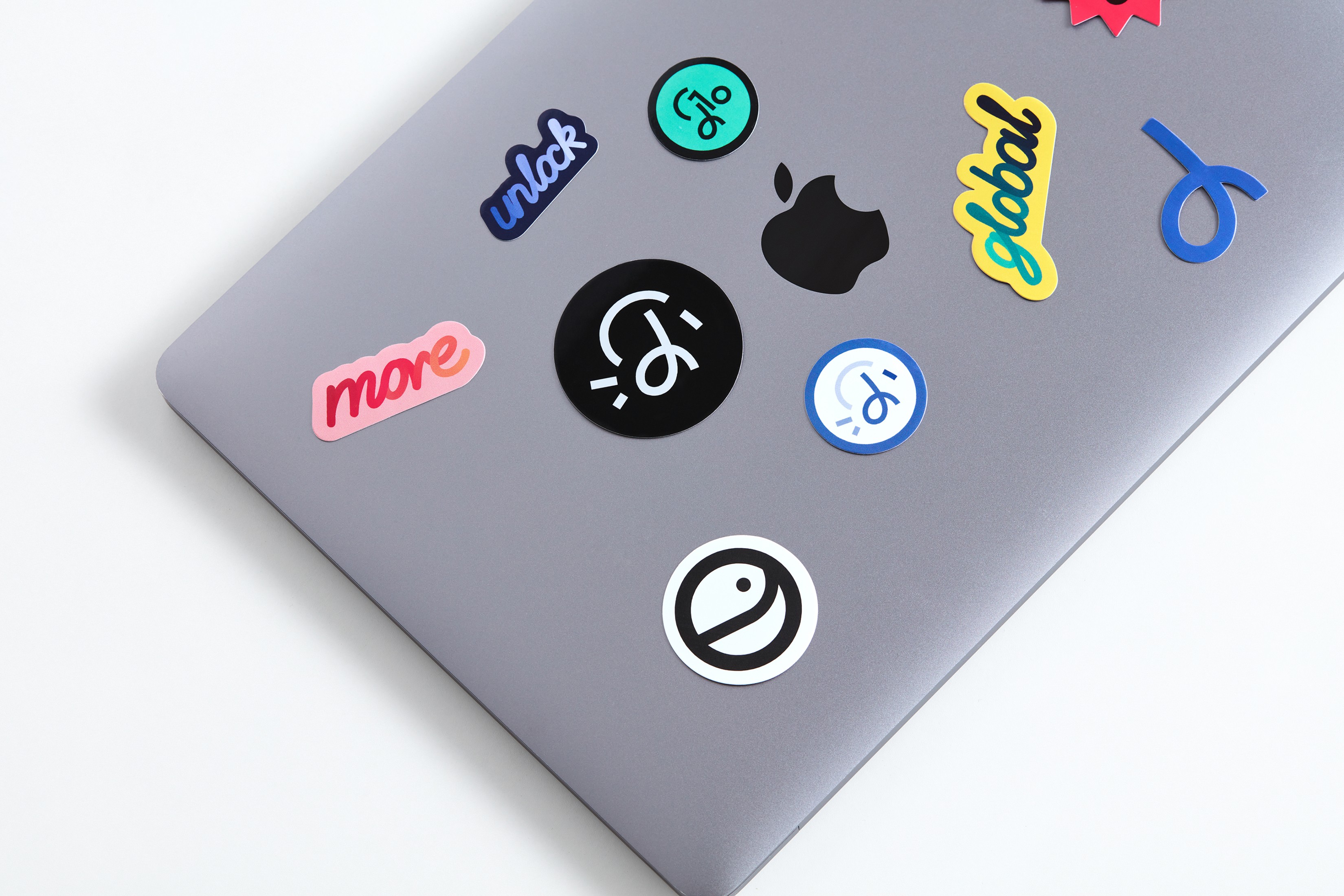
The value of Ola Friend is not that it arrived at a final answer, but that through this round of exploration it clarified one thing: in AI products, brand and experience are not outcome-stage work, but key tools that participate in early judgment.
In this way, once the product role is clearly defined, subsequent design, iteration, and communication can maintain a sense of direction in a changing technical environment.